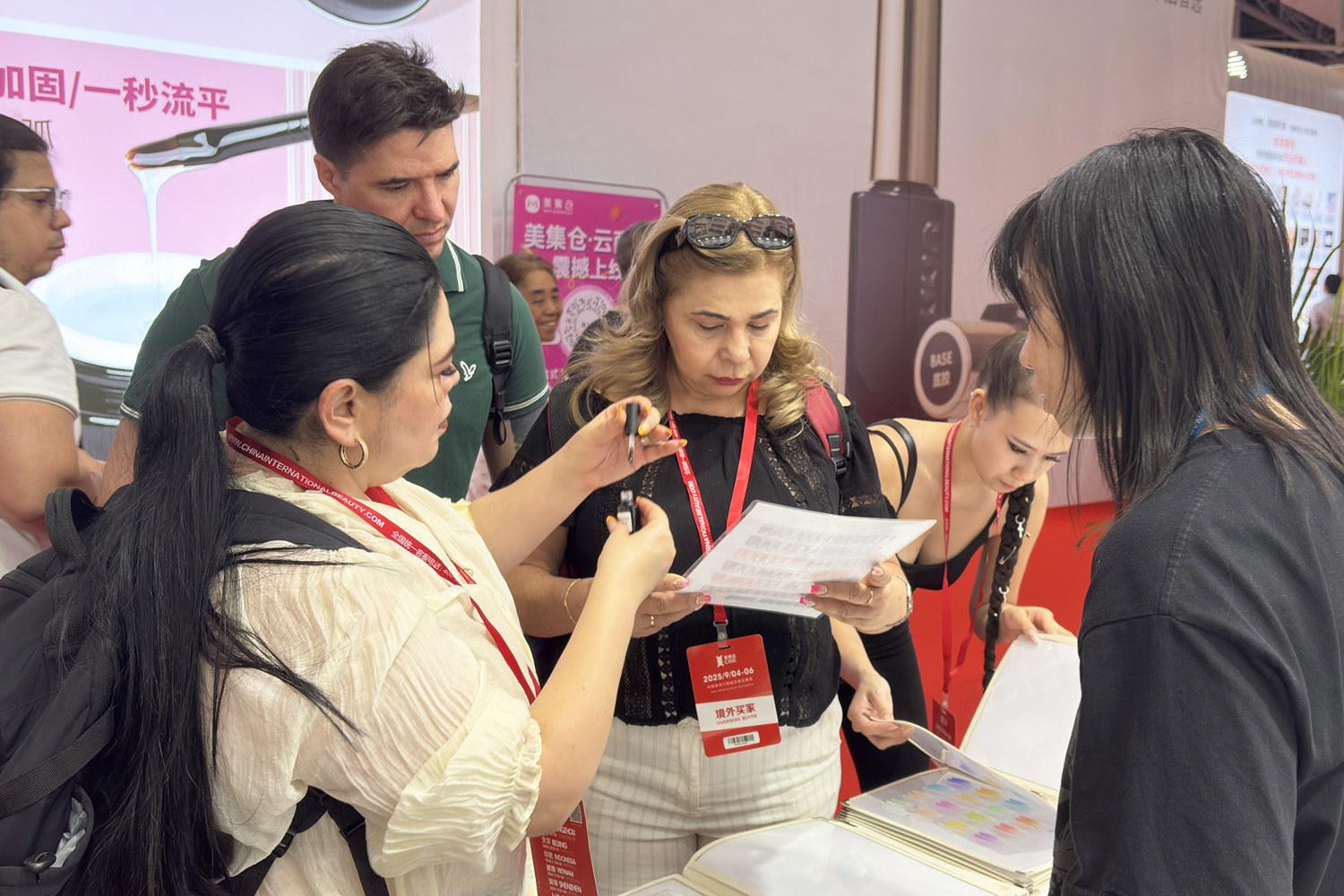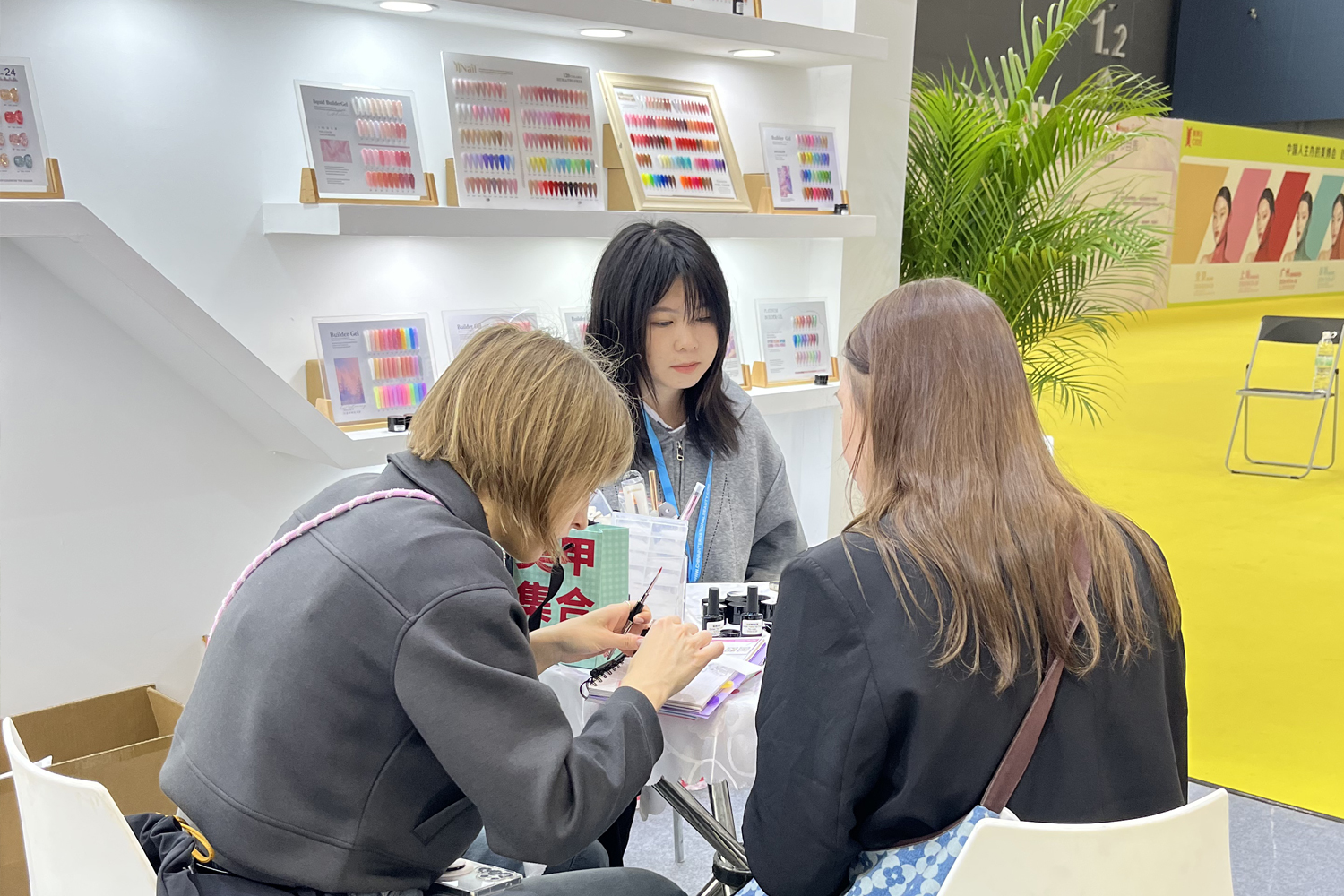
f you source nail gel for the European market, you already know the feeling: a regulation changes on a Friday, and by Monday your compliance paperwork, your labels and your supplier’s “don’t worry, it’s fine” email all need to be re-checked. The gap between what a factory says is in the bottle and what a European lab finds in the bottle is exactly where brands get hurt.
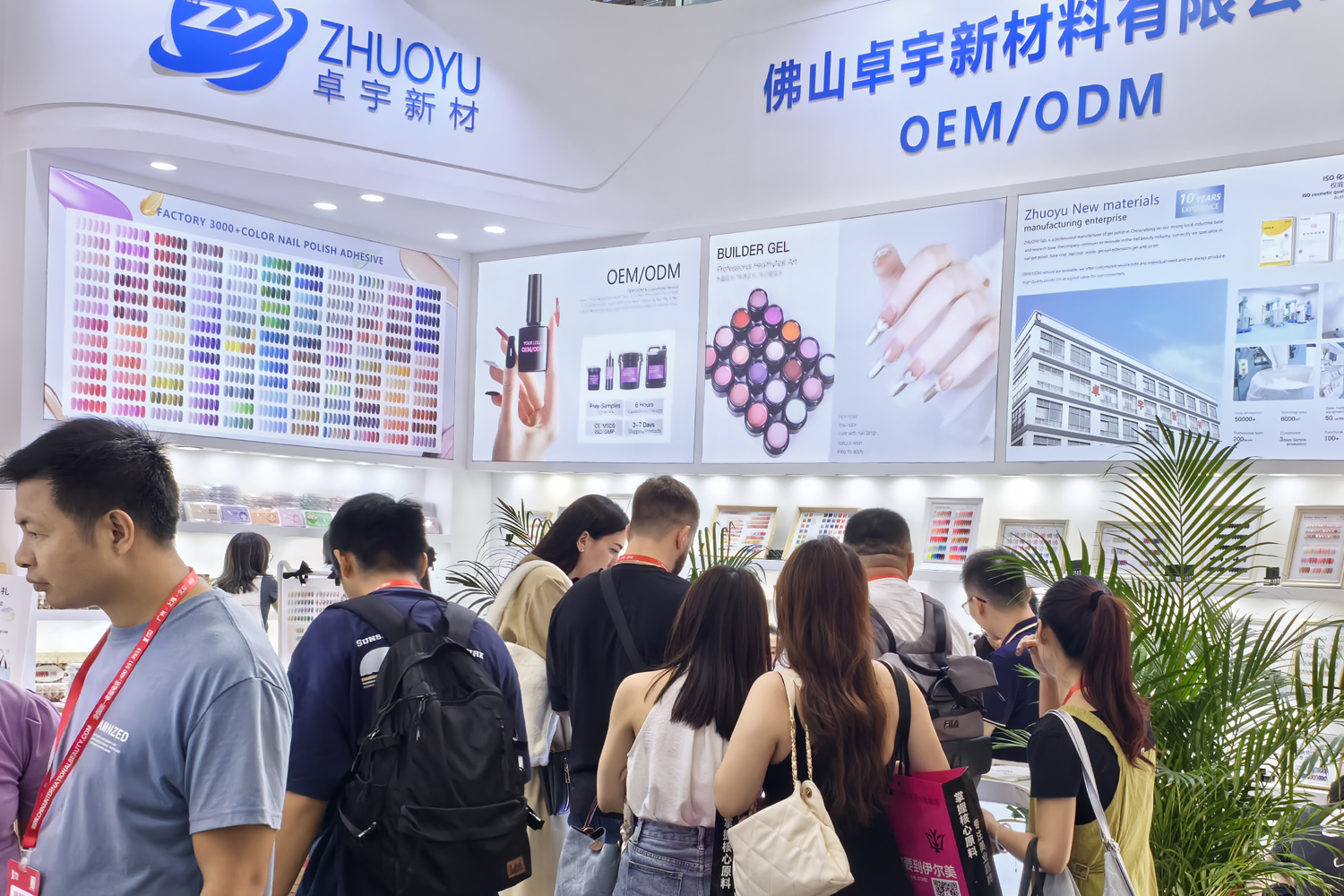
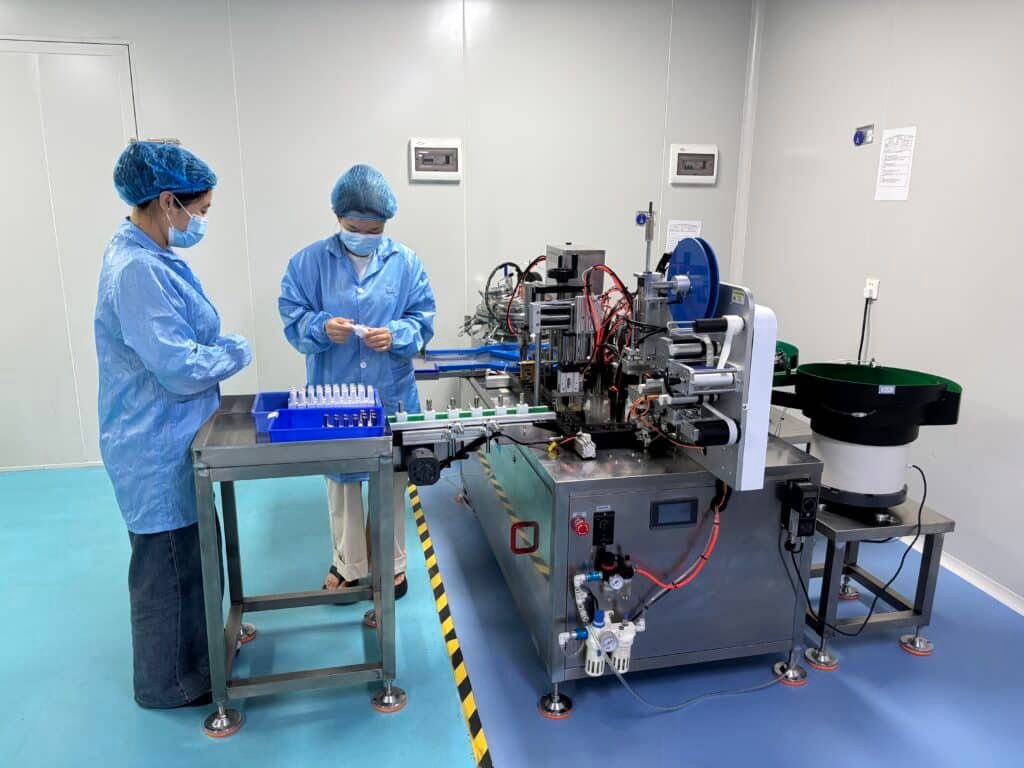
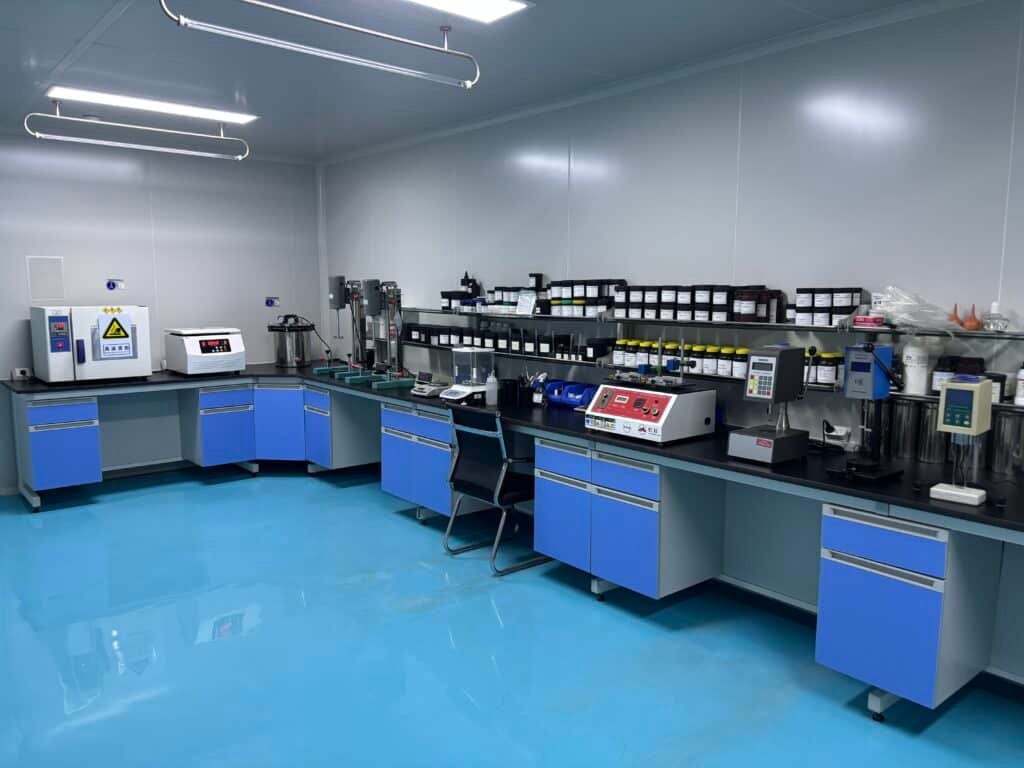
We decided to close that gap with capital, not with promises. Over the past cycle we invested US$100,000 in two things that matter to a procurement team far more than a glossy brochure: in-house analytical instrumentation to detect HEMA and TPO at trace level, and a new automated filling & labeling line inside a controlled cleanroom. This article explains why — and, more importantly, what it changes for your business, your margins and your sleep.
The compliance landscape just got unforgiving
The rules are no longer “guidance.” They are enforceable, and the burden lands on the brand name on the label — which is often yours, not your factory’s.
HEMA & Di-HEMA are restricted under (EU) 2020/1682 to professional use only, and products containing them must carry the warnings “for professional use only” and “can cause an allergic reaction.” For any consumer / retail channel, that effectively means HEMA-free is the only safe formulation.
TPO (the photoinitiator trimethylbenzoyl diphenylphosphine oxide) was reclassified as a CMR substance and moved onto the cosmetics prohibition list (Annex II) via (EU) 2025/887, applicable from 1 September 2025. In plain terms: TPO is no longer permitted in cosmetics placed on the EU market. TPO-free is now a hard requirement, not a “nice-to-have.”
Add the 2026 wave — additional CMR prohibitions, the expanded 81-allergen labeling rule for newly placed products, and tightening PFAS limits — and the message is unambiguous: the EU is moving from self-declaration to demonstrable proof.
The real pain points procurement teams carry
We talk to buyers every week. The same five worries come up again and again:
Legal & border risk. A non-compliant batch can be held at customs, refused at CPNP notification, ordered off shelves by market-surveillance authorities, or recalled — with fines and logistics costs that dwarf the unit price.
“Greenwashing” suppliers. Many factories print HEMA-free / TPO-free on the box while the resin or a photoinitiator package quietly contains the restricted substance, or cross-contaminates it on a shared line. When that surfaces, your brand takes the hit.
Allergy complaints & salon churn. HEMA is one of the leading contact allergens in nail cosmetics. One sensitized client can mean refunds, negative reviews and a salon chain that quietly stops reordering.
The performance trade-off fear. Removing HEMA and TPO the “easy” way often weakens adhesion, wear time or cure. Buyers worry that compliant will mean inferior — and inferior means returns.
Incomplete paperwork. Distributors, marketplaces and regulators expect a full file: SDS, PIF, CPSR, CPNP reference, COA — and increasingly, an actual instrument test report for HEMA/TPO. Missing documents mean missing channels.
Why “HEMA-free on the label” is no longer enough
A declaration is a statement of intent. A chromatogram is a statement of fact. The difference between the two is the difference between a supplier who hopes they are compliant and one who can show it, batch after batch. That is the standard we now hold ourselves to — and the standard we believe every EU-bound buyer should demand.
Our response: US$100,000 spent on proof, not promises
The investment went into three areas, each mapped directly to a buyer risk.
In-house chromatography — testing HEMA & TPO at the source
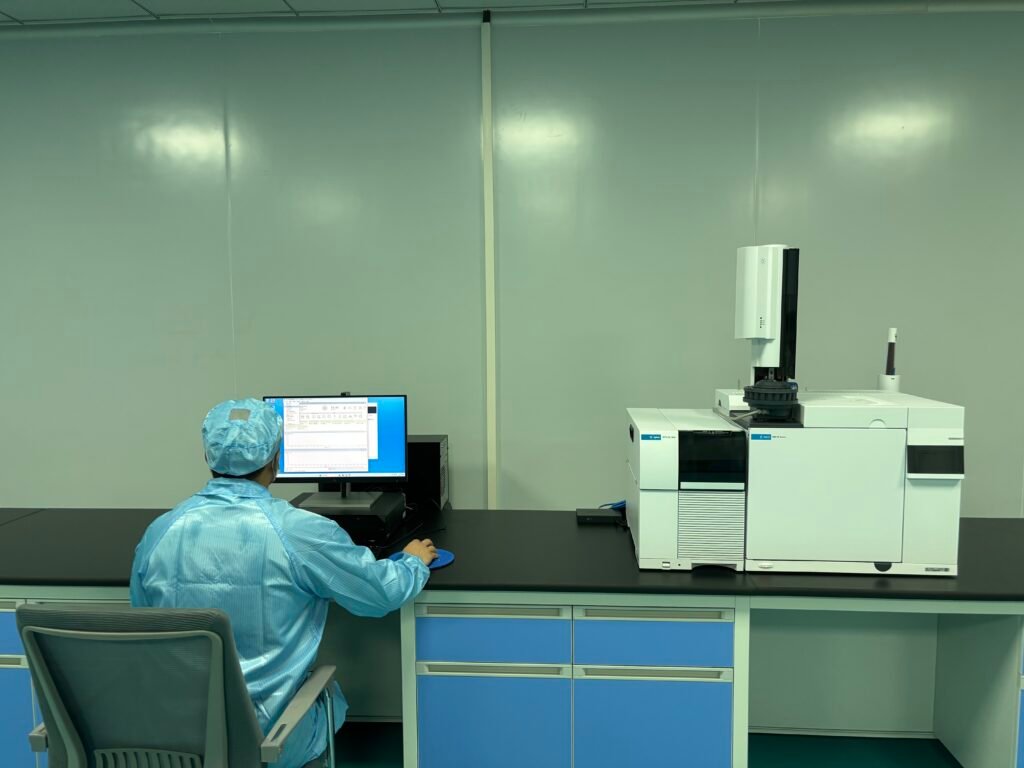
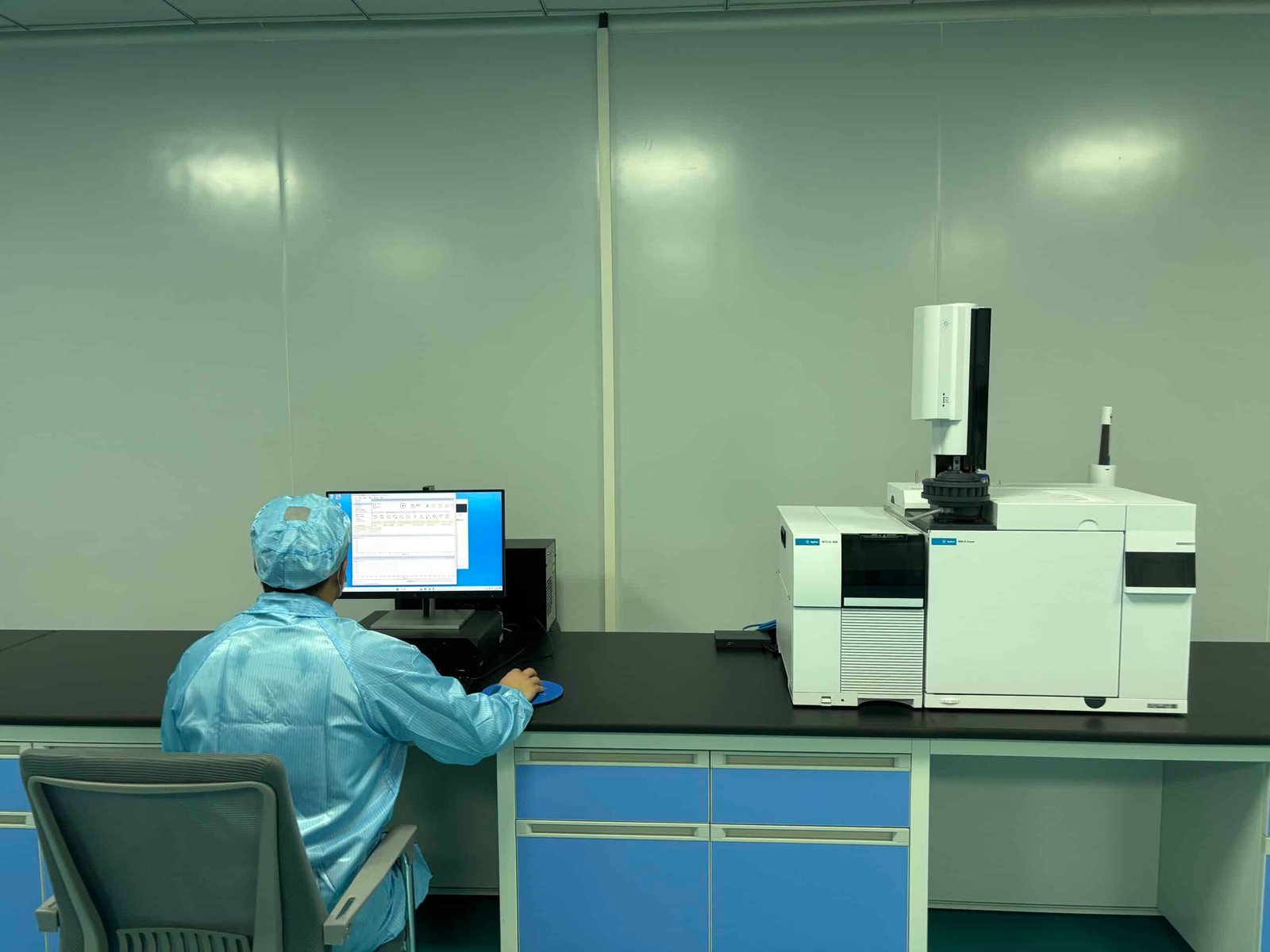
The single most important piece of equipment we added is a gas-chromatography (GC) analytical system with automated sampling, paired with a dedicated workstation for method development and data review. Its job is narrow and critical: screen incoming raw materials and released finished batches for HEMA, Di-HEMA and TPO at trace level.
This changes the economics of trust. Instead of relying on a supplier’s COA once a year, we verify the chemistry before a resin enters production and again before a batch ships. If a raw-material lot shows a restricted-substance signal, it is quarantined — not blended into your order and discovered later at a European port.
A new automated filling & labeling line in a controlled cleanroom
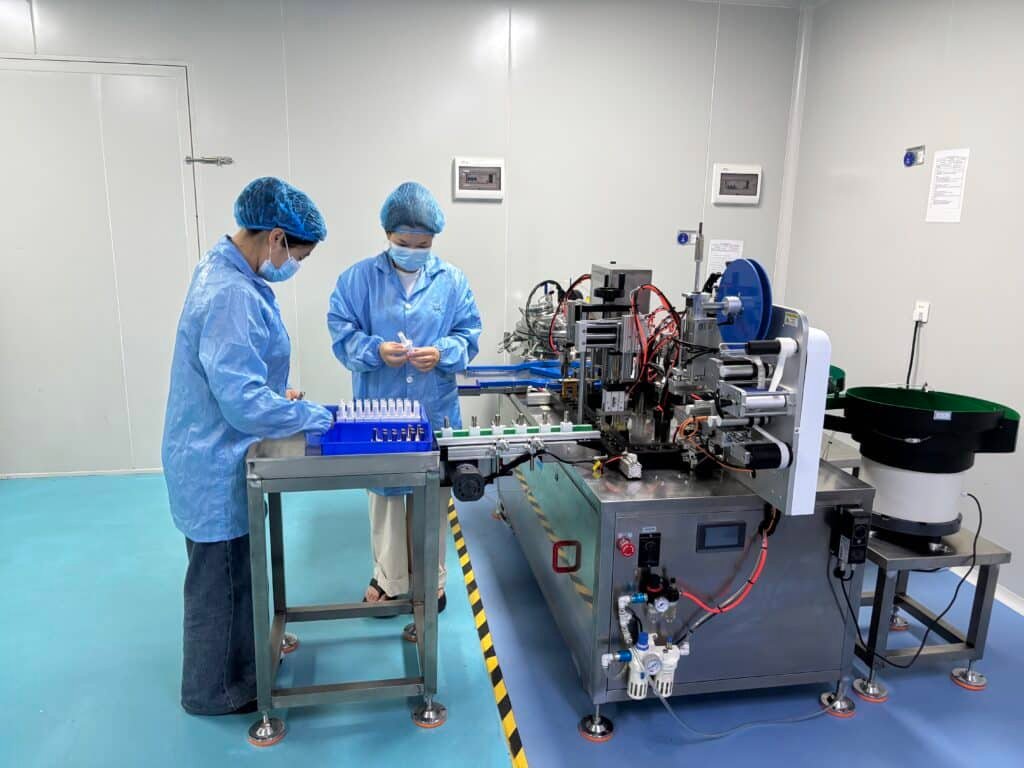
Compliance is not only about formula; it is about cross-contamination and consistency. Our new line automates filling, capping and labeling inside a controlled, gowning-required production area (sealed walls, HEPA-conditioned air, defined pedestrian/forbidden-zone floor marking). Automation reduces the hand-touch points where contamination and human error creep in, and it locks in the fill volume, torque and label position that keep your product looking — and testing — identical from the first bottle to the ten-thousandth
An upgraded QC lab for performance & stability
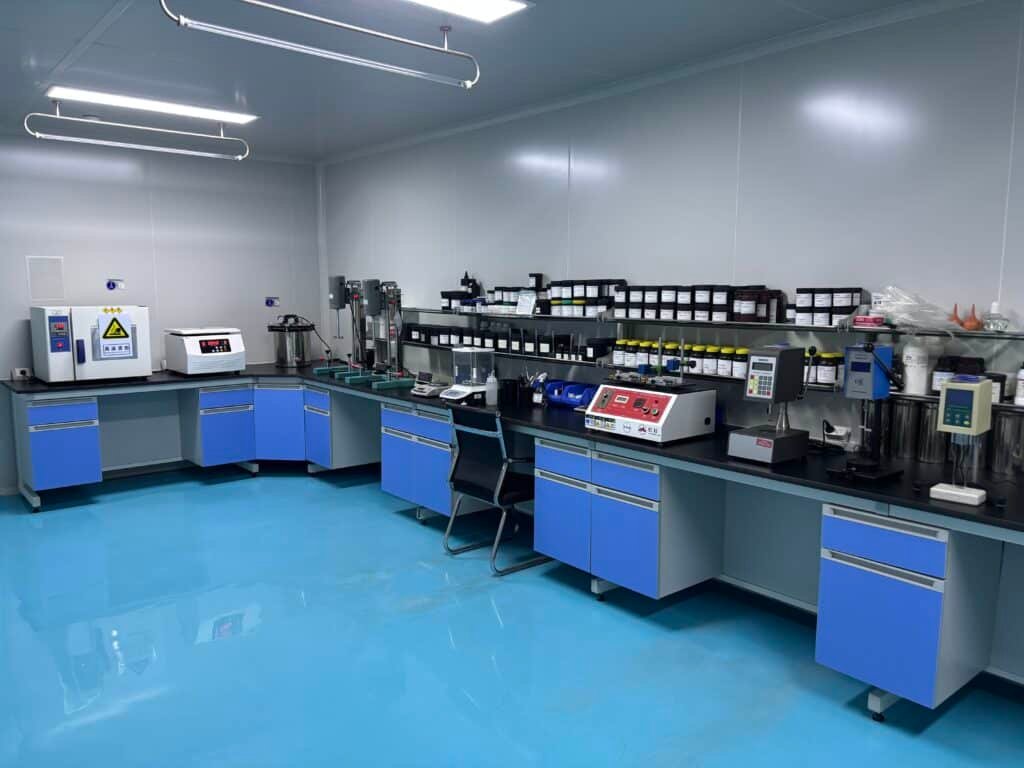
Removing restricted substances the right way requires re-engineering the oligomer and photoinitiator system, then proving the result still performs. Our QC lab runs viscosity, cure response, adhesion, hardness and stability testing on every formulation, so the HEMA-free / TPO-free claim never comes at the cost of the wear time and gloss your end customers expect.
What this changes for your business
Features matter only insofar as they remove your risks. Here is the translation:
- You can sell and notify in the EU / UK / Nordics with confidence. Formulations are built to the current Annex II / Annex III reality, reducing hold, refusal and recall risk.
- You get evidence, not assurances. Trace-level HEMA/TPO screening data backs the label claim, so you can answer platform audits, retailer due-diligence and customs questions with documents — not apologies.
- Fewer allergy-driven complaints. A HEMA-free / TPO-free system, made on a contamination-controlled line, protects your salon clients and your reorder rate.
- Compliance with performance. Lab-validated adhesion, cure and wear mean your “safe” SKU is also your “sells-again” SKU.
- Stable supply for private label & volume orders. The new line gives you the capacity and consistency to plan launches and reorders without surprise delays.
The documentation you will actually receive
Procurement runs on paper as much as on product. With every compliant order you can request:
- SDS / MSDS aligned to current CLP
- PIF (Product Information File) support & CPSR coordination
- CPNP notification reference support
- COA per batch
- HEMA / Di-HEMA / TPO test report from our in-house GC platform
- INCI & label artwork checked against the current EU ingredient-naming vocabulary
Compliance is a moving target — and that’s exactly why this matters
The 2025–2026 regulatory cadence proves one thing: the list will change again. The buyers who lose are those tied to a factory that treats compliance as a one-time certificate. The buyers who win are those partnered with a manufacturer that owns the capability to detect, reformulate and re-document quickly — instrumentation, R&D and a controlled line under one roof. Our US$100,000 investment was, at its core, a decision to be that kind of partner for the long term, so your supply chain does not have to start over every time Brussels updates an annex.
Let’s make your next order the safest one yet
If you are sourcing for the EU and you are tired of taking a supplier’s word for it, we invite you to verify us the way we verify our own batches.
- Request a sample compliance pack (SDS + a redacted HEMA/TPO test report)
- Book a virtual or on-site factory & lab audit
- Start a private-label / ODM project on a guaranteed HEMA-free & TPO-free platform
[Button: Request the Compliance Pack & Test Report] · [Button: Talk to Our B2B Team]
Your brand deserves a label claim that can survive a laboratory, a customs officer and a customer with sensitive skin. We built the lab to prove it.
Quick FAQ for procurement
Q: Are all your products HEMA-free and TPO-free, or only selected SKUs?
A: Our EU-bound platform is formulated HEMA-free and TPO-free (and Di-HEMA-free) by default, and each batch is screened on our GC system. We will confirm the status of any specific SKU in writing before quotation.
Q: Can I see real test data, not just a certificate?
A: Yes. We can share a redacted chromatogram / test report format during the sampling stage so your QA team can review the method and detection logic before ordering.
Q: Will removing HEMA/TPO hurt adhesion or wear time?
A: It should not. We re-engineer the resin/photoinitiator system and validate adhesion, cure and stability in our QC lab; we recommend a wear trial on your side as part of approval.
Q: Do you support private label and the full EU file?
A: Yes — private label / ODM, with SDS, PIF/CPSR coordination, CPNP support, COA and HEMA/TPO test reports per batch.